Social analysis · Updated 2026

Marital satisfaction in Quebec

Understanding the intimate and relational realities of couples from the Maghreb, Muslim and Arab communities, to better support, educate and assist them.

Discover the study

Why this study is essential

The married life of many couples within the Maghreb, Muslim and Arab communities is shaped by intimate and relational issues that remain poorly documented and rarely discussed openly.

🔍

Lack of local data

No targeted database exists on marital satisfaction within these communities in Quebec. This study fills a major documentation gap.

😔

Concerning international findings

Existing studies reveal high sexual dissatisfaction, a lack of intimate communication and an insufficient frequency of intercourse among the couples concerned.

🤝

A twofold benefit

Better understanding a reality that is still largely invisible, and guiding concrete responses in terms of prevention, marital education and tailored support.

Summary of the study

This study focuses on marital satisfaction within the Maghreb, Muslim and Arab communities living in Quebec, with particular attention to the emotional, relational and intimate dimensions of married life. It addresses a sensitive subject, often marked by silence, cultural taboos and the absence of reliable local data.

It is intended for decision-makers, researchers and community organizations as much as for frontline professionals, families and the couples concerned. It provides a structured overview, a rigorous survey methodology, clear lines of analysis and a foundation of recommendations to guide awareness, support and assistance initiatives adapted to the Quebec context.

Decision-makers Researchers Community organizations Frontline professionals Families and couples

The objectives of this study

Five structuring objectives to build a rigorous understanding and guide concrete actions in support of marital well-being.

01

Document the level of overall marital satisfaction among the women and men concerned.

02

Measure the extent of the sexual and intimate difficulties experienced by couples.

03

Analyze contributing factors: communication, cultural and religious norms, division of roles and the circumstances of the marriage.

04

Shed light on the needs expressed by participants in terms of support, marital education and culturally adapted therapy.

05

Recommend culturally relevant avenues of intervention to improve marital well-being in the community.

Six complementary lines of analysis

Each line of analysis sheds light on a specific facet of marital satisfaction for a comprehensive and nuanced understanding.

Axis 01

Socio-demographic and contextual profile

Axis 02

Communication and the couple's daily life

Axis 03

Overall marital satisfaction

Axis 04

The couple's intimate life and sexuality

Axis 05

Cultural and religious factors

Axis 06

Overall satisfaction, needs and prospects for improvement

A solid and adapted methodology

A survey design built to gather reliable data while respecting the sensitivity of the subject and the diversity of respondents.

📋

Type of data

Anonymous bilingual questionnaire combining closed questions, Likert-type scales and open-ended questions.

📚

Sources used

Participant responses, recruitment through associations, mosques, community partners and social media, along with findings from the literature.

📅

Period covered

From October 2025 to September 2026.

🔬

Approach

Mixed-methods approach, predominantly quantitative, complemented by a thematic qualitative analysis.

⚠️

Potential limitations

A sensitive subject that may influence respondents' self-reporting, non-probability community-based recruitment, and representativeness to be interpreted with caution.

The numbers that call for action

Preliminary data underscoring the urgency of documenting and understanding marital satisfaction within the communities concerned.

81 %
of Arab couples dissatisfied with their sexual life according to preliminary findings
60 %
of the world's population reporting sexual dissatisfaction
57 %
wish to have more frequent sexual intercourse
95 %
wish to improve intimate communication with their partner
Field target

1,200 to 1,400 participants targeted, including at least 800 couples, for an unprecedented local database.

Flagship recommendation

Finally produce a local knowledge base to guide culturally adapted awareness, marital education and therapeutic support initiatives.

Expected outcomes

This study aims for concrete outcomes for couples, organizations, decision-makers and Quebec society as a whole.

✓

A better understanding of marital realities within the communities concerned

✓

More precise guidance for policies, programs and support services

✓

Stronger support for frontline workers and community organizations

✓

A solid foundation for decision-making by institutions and partners

✓

The development of solutions adapted to the cultural, family and Quebec context

The Council of the Maghreb Community in Quebec
Council of the Maghreb Community in Quebec (CCMQ)

The CCMQ is an organization dedicated to representing, supporting and promoting the Maghreb community in Quebec. Through its studies, programs and partnerships, it helps strengthen social cohesion, inclusion and the visibility of cultural diversity within Quebec society. It stands as a key player in community research, intercultural dialogue and family support.

Study director

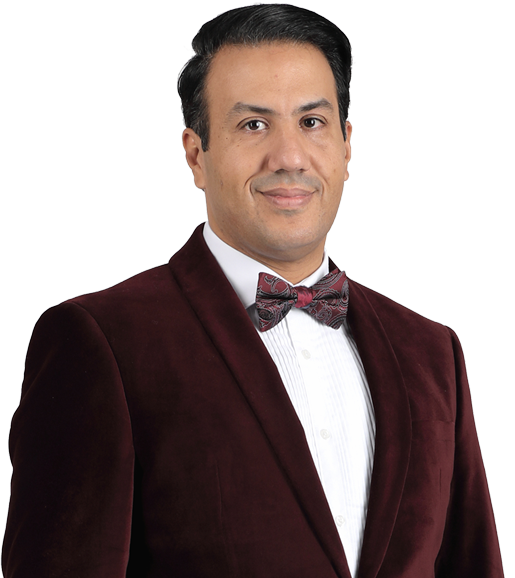
El Amine SERHANI

El Amine SERHANI, Ph.D.

Study Director · Council of the Maghreb Community in Quebec

A committed researcher with deep insight into community realities in Quebec, El Amine SERHANI leads this study with a rigorous, humane and field-grounded approach. His expertise combines scientific rigour with cultural sensitivity in the service of the well-being of couples and families.

✉ etude@ccmq.org

Your voice matters in this study

Whether you are a couple concerned, a community worker, a researcher or a professional, your participation enriches the understanding of marital realities in Quebec.

All studies